Eating out with a T1D kid (without ruining dinner)
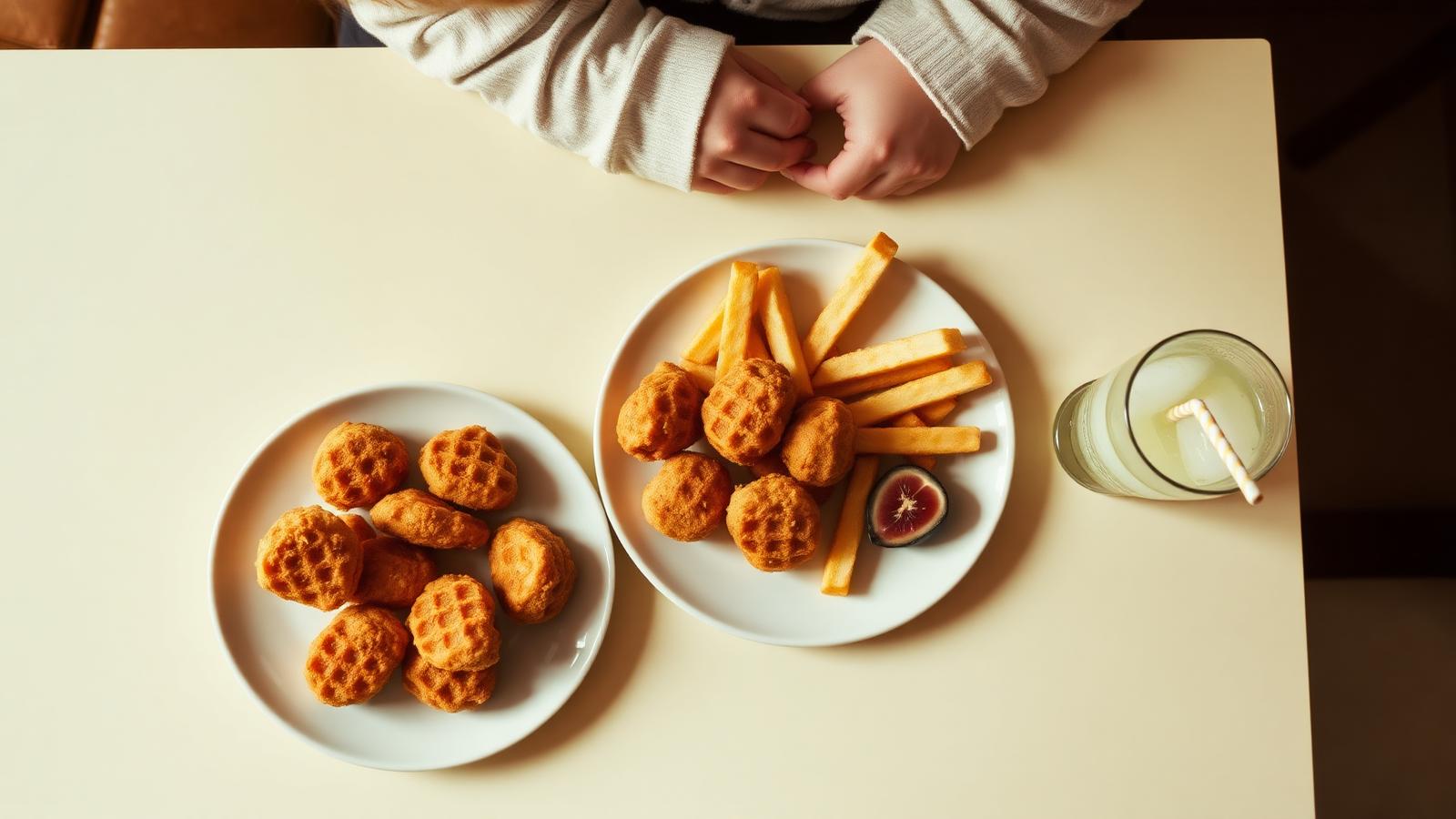
Audrey asked for Chick-fil-A on a Friday night. Seven years old, tired from school, completely reasonable request. I said sure without thinking — and then I spent the drive over doing math in my head.
Eight-count nuggets. Medium waffle fries? Small? Does she want the mac and cheese side? Does the lemonade have more sugar than the juice? What about the sauce — she always dunks everything in Polynesian.
We hadn't even pulled into the parking lot and I was already spiraling.
This is the part of T1D parenting that nobody talks about enough. It's not just the big moments — the ER visit after diagnosis, the middle-of-the-night CGM alarms. It's the constant low-grade math tax that shows up in completely ordinary situations. Like a Friday night chicken run.
The chains that actually make this easier
Here's some genuinely good news: a lot of the restaurants kids actually want to eat at publish full nutrition info online. Not buried in a PDF somewhere — right on the menu.
Chick-fil-A has a full nutrition guide on their website and in the app. You can look up every item, customize it, and see carb counts before you even leave the house. Same with McDonald's, Panera, Chipotle, Domino's, and most major pizza chains. Shake Shack. Even a lot of theme park food spots. If a chain has more than a few hundred locations, there's a decent chance the numbers are online.
My wife — former nurse, still the most organized person in any room — started keeping a running note on her phone of Audrey's usual orders at her five or six favorite spots. The carb counts are just sitting there now, ready to go. It took maybe an hour total to build that list, and it's saved us dozens of stressed-out table moments.
It sounds obvious. But when you're newly diagnosed and just trying to survive each meal, "look it up ahead of time" isn't always the first thing that comes to mind. Now it's just habit.
The pizza trap (and why it's not your fault)
We have to talk about pizza, because pizza is its own special situation.
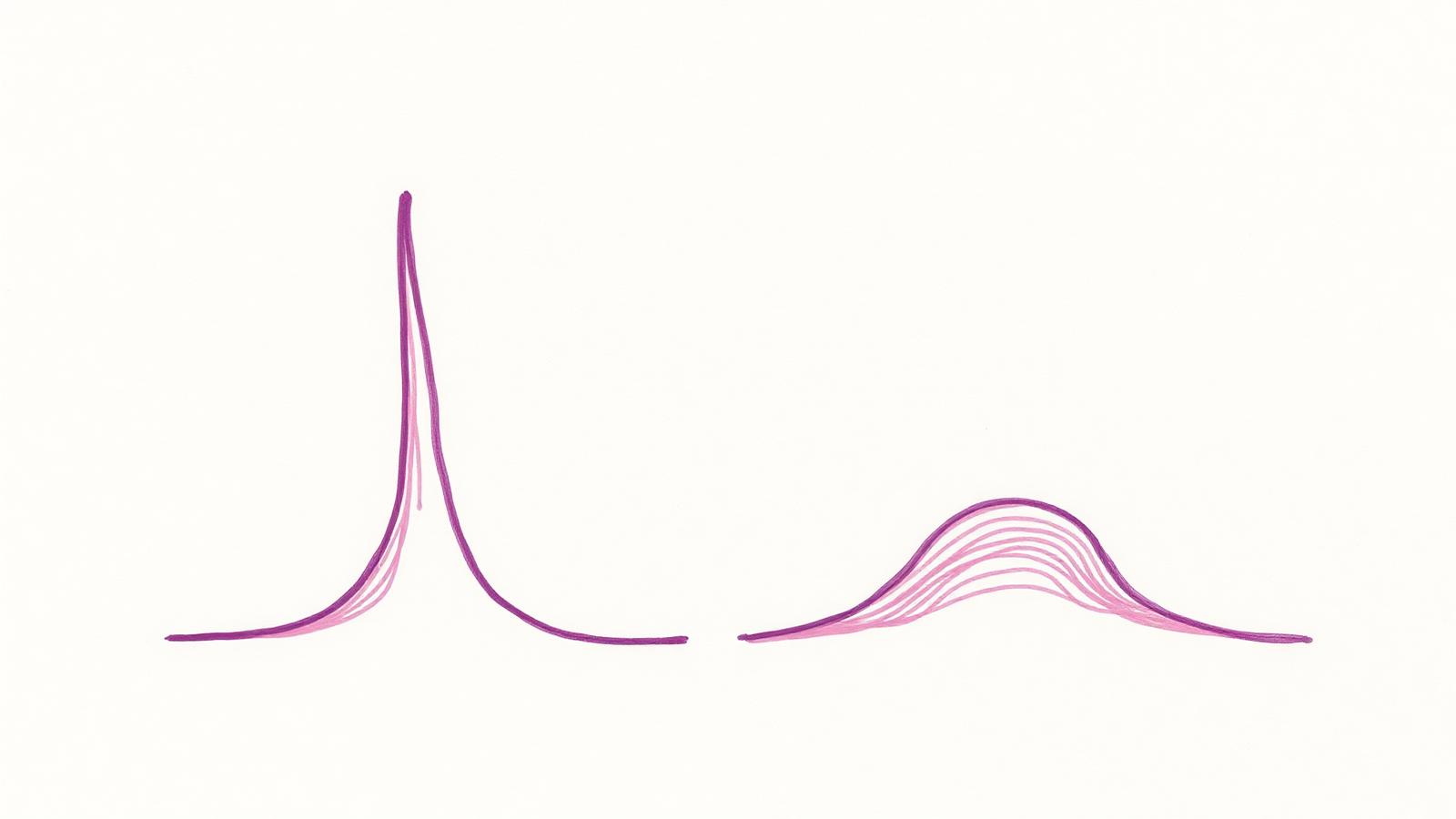
Pizza is carbs. That part is obvious. But pizza is also a lot of fat and protein — the cheese, the grease — and fat slows everything down. So instead of one glucose spike after the meal, you often get two. The first one comes from the carbs in the crust. Then, a few hours later, the fat finishes digesting and blood sugar climbs again.
The T1D community calls it the "pizza spike." Some families call it the "pizza problem." We mostly call it "the reason Audrey's numbers look fine at 8 p.m. and then weird at midnight."
I'm not going to tell you how to dose for pizza — that's your care team's lane, and honestly every kid is different. What I will say is: if pizza nights have been confusing for you and you haven't talked to your endocrinologist about the fat-delay effect specifically, it's worth bringing up. There are strategies. Your team at the Barbara Davis Center or wherever you get your care has almost certainly heard this question a hundred times.
What to do with mystery dishes
Not every restaurant is Chick-fil-A. Sometimes you're at a birthday party at a local pizza place that doesn't have a website. Sometimes you're at a family friend's backyard cookout and the pasta salad is a mystery casserole that someone's grandma made.
A few things that actually help:
- Ask for sauces and dressings on the side. A heavy sauce or glaze can add 15–20 grams of carbs you didn't see coming. When it's on the side, you control how much goes on the plate.
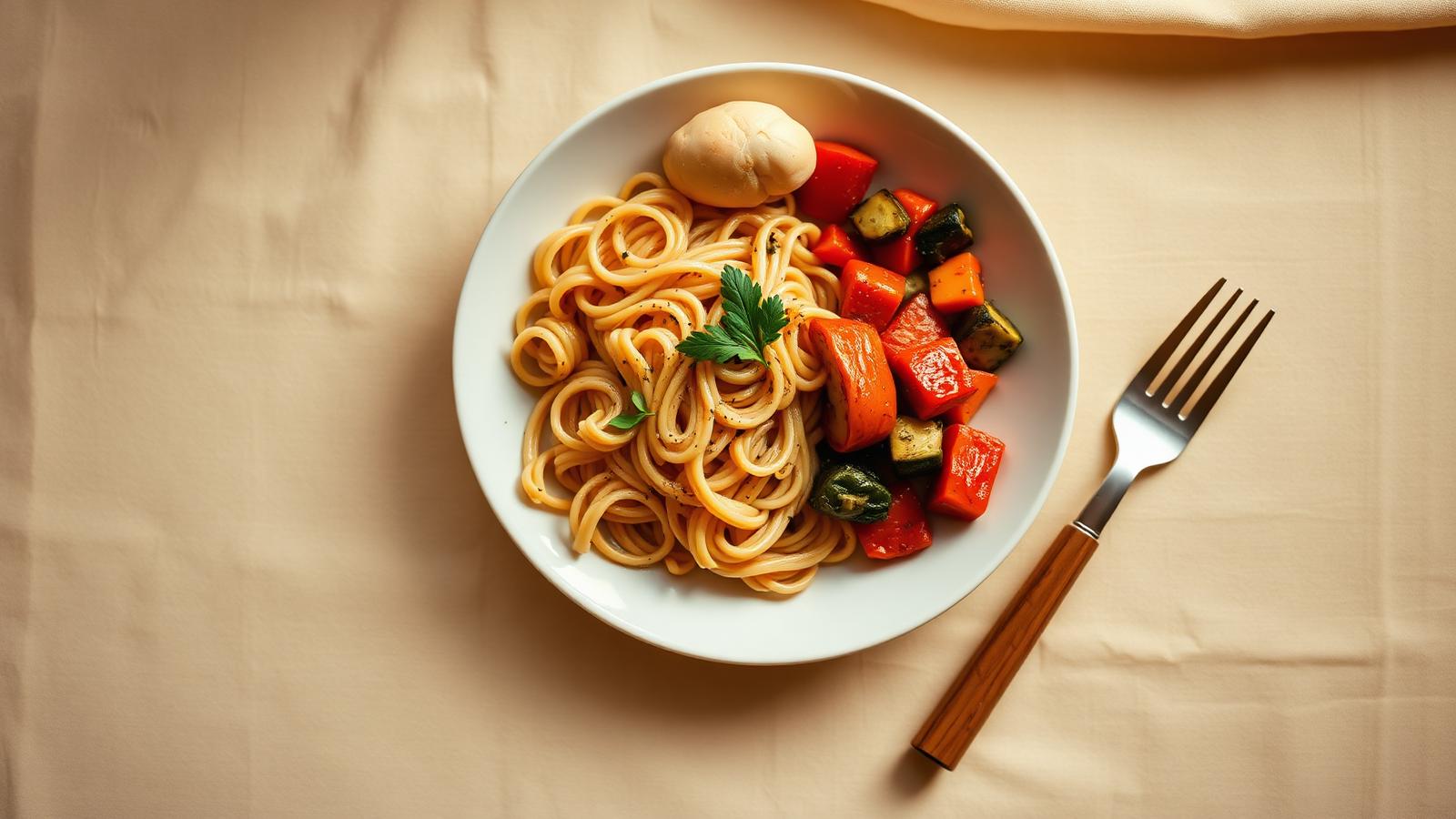
- Look at the plate and anchor to things you know. A piece of bread about the size of your fist. A scoop of rice. A standard burger bun. You've counted these a hundred times — use them as your reference points.
- Take a photo of the plate before she eats. Even if you're guessing in the moment, having the photo means you can look back later and connect the dots if her numbers do something unexpected. We've done this more times than I can count.
- When the carb count is genuinely unclear, go conservative and check more often. That's the low-drama version. It's also the advice our care team has given us consistently.
On the photo thing — if you want to go deeper on using a photo to estimate carbs, we wrote about that approach over on the carbs-from-a-photo post. The short version: a clear photo of the full plate, good lighting, and a consistent angle goes a long way.
The social math nobody talks about
Here's the one that took me a while to get comfortable with.
Sometimes you're going to be off by 8 grams. Sometimes the birthday cake slice is a little bigger than you estimated, or the kids' pasta portion is closer to one cup than three-quarters. And you're going to have to make a judgment call about whether to interrupt the moment — the singing, the candles, the friends all eating together — to recheck and recalculate.
I used to stop the whole table over 8 grams. I'd pull out my phone, second-guess myself, recount, recalculate. Audrey would look at me with this expression that was half patient and half please-stop-doing-this-Dad.
She was right. Eight grams is manageable. The CGM will catch it. The care team has built her ranges with some wiggle room. And the social cost of pulling her out of a happy birthday dinner to stress about the pasta portion — that cost is real too.
That doesn't mean you stop paying attention. It means you learn which decisions are worth interrupting the meal and which ones aren't. You get better at this over time. I promise.
We've written about this same tension in the context of birthday parties specifically — the cupcake conversation, the "does she get one?" moment — over here if you want to read it. Same energy, different setting.
A few habits that actually stuck
After two years of doing this, here's what's made restaurant nights actually feel normal again:
- Pre-look the menu. Five minutes in the car before you walk in. Most chains have apps. Use them.
- Build a short list of usual orders. Her five favorite meals at her five favorite spots, carb counts saved. One note on the phone. Done.
- Sauce on the side, always. Just say it automatically when you order. Nobody cares, and it removes a variable.
- Photo the plate when you're unsure. Doesn't have to be fancy. Just document it.
- Eat first, review the curve later. If it's a new restaurant or a new dish, we use what happens afterward as data — we look at the shape of her glucose curve after the meal and we learn from it. (We have a whole post on reading the shape of the curve that's worth bookmarking.)
She deserves to eat like a normal kid
This is the thing I come back to whenever restaurant nights feel too hard.
Audrey deserves to sit at a restaurant with her family and eat a kids' meal and dunk her nuggets in too much Polynesian sauce and not feel like her pancreas is the most interesting thing in the room.
T1D is a real and serious condition. The carb counting is real work. But the goal of all that work is a normal life — not a smaller one. A birthday dinner with friends. A Friday night Chick-fil-A run. A slice of pizza at a party that goes a little sideways at midnight and gets handled quietly while she sleeps.
That's the job. We're getting better at it every week.
CarbCue is built for exactly this — helping T1D families estimate carbs faster, especially in the unpredictable real-world moments where there's no nutrition card on the table. Join the waitlist and be first to know when we launch.
✦ Get CarbCue at launch
Join the iOS waitlist
We're building CarbCue for families like ours. Drop your email and we'll let you know the moment it's on the App Store.